
What Is Micro-Volunteering and Why It Matters
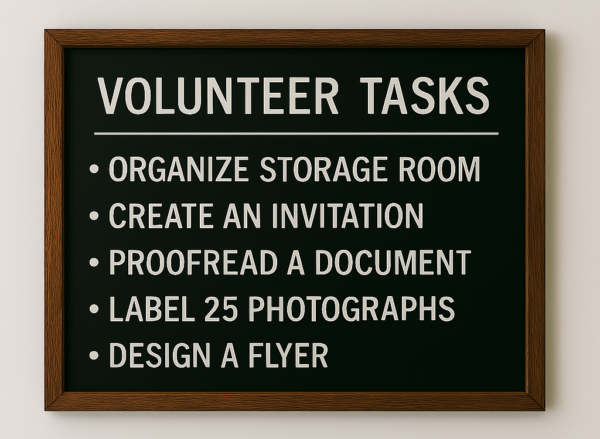
Micro-volunteering offers flexible, low-commitment ways for individuals to contribute in short, meaningful bursts. Think of it like a buffet, a dynamic, ever changing menu of bite sized opportunities that volunteers can choose from based on their time, interests, and skills.
This buffet style approach better supports today’s volunteers in several important ways:
- Long term commitments are no longer practical. Today’s volunteers need flexibility
- One time tasks make it easier to move items off the to do list
- Burnout decreases when the workload is shared more widely
- Community engagement grows as one time helpers become future champions of your mission
- Micro tasks get completed while larger tasks often remain unfinished
- Volunteers who start small often build toward deeper long term involvement
How to Start Offering Micro-Volunteering Opportunities
1. Break Roles into Tasks
Traditional roles often combine multiple responsibilities. Break them into standalone micro tasks that can be completed in 30 to 60 minutes, perfect for people who are time-limited but still want to help.
2. Put Postponed Tasks Back on the Table
Every organization has back burner projects that are “nice to do” but never urgent. Reintroduce them in smaller segments.
Example Task: Label 25 Photos in Our Online Archive
- Time Commitment: 30 to 45 minutes
- Location: Remote
- Skills Needed: Basic computer skills, familiarity with Google Drive
- Description: Our photo library needs better descriptions. Review 25 images and add accurate labels to help us better organize and tell our story.
3. Revive Abandoned Ideas
Revisit previously shelved initiatives. Something once too ambitious, like launching a podcast, can become possible when broken into micro tasks.
Example Task: Coordinate Three Short Podcast Interviews
- Time Commitment: 1 to 2 hours
- Location: Remote or in person
- Skills Needed: Interviewing, organizing, communication
- Description: Help us launch a local podcast by arranging and conducting short interviews with three community leaders. We’ll provide sample questions and handle the editing.
4. Consider Online Opportunities
Not every task needs to be done in person. Many micro-volunteering roles are ideal for remote work.
Examples:
- Proofread a one page document
- Design a flyer
- Update business hours on Google Maps
- Translate a short message into another language
Key Strategies for Micro-Volunteering Success
- List tasks by priority. Keep your volunteer buffet current. Post high priority needs first and refresh your list regularly
- Keep sign-up simple. Ask for only essential info upfront (name, email, interest). Match for fit later
- Let volunteers choose. Autonomy builds ownership and makes people more likely to follow through
- Offer support and a how-to guide. A short onboarding guide for new volunteers or welcome note helps volunteers getting acquainted with your organization, feel prepared and appreciated
Start Small but Start Now
You don’t have to redesign your entire volunteer program overnight. Begin by breaking down one or two existing roles and testing them as standalone micro tasks. Track interest, gather feedback, and refine your approach. Over time, you’ll build a more flexible, inclusive, and resilient volunteer system—one that welcomes more people to your mission and gets more done.
About the Author
Ronnalee McSweeney is the founder of Nu Era Talent Development Group and committed to helping create workplaces where people love to work, including those powered by volunteers. A lifelong volunteer with over two decades of nonprofit leadership and board service, she is passionate about building cultures of purpose, inclusion, and lasting impact.